Brain fog is common in perimenopause. Learn what women mean by brain fog, why sleep and hormones may play a role, and which warning signs need medical review.
What does “brain fog” mean?
Brain fog is not a formal diagnosis. It is a useful everyday term for experiences such as forgetfulness, losing your train of thought, struggling to find a word, difficulty concentrating or feeling mentally slower than usual.
Cognitive symptoms are common during the menopause transition. Recent Menopause Society reporting suggests that a substantial proportion of perimenopausal women notice changes in attention or memory. Hormonal fluctuations may play a role, but sleep disruption, stress, mood symptoms, medications and other health conditions can contribute just as much — sometimes more.
Why sleep matters
If night sweats are waking you repeatedly, concentration is likely to suffer the next day. Chronic insomnia also affects working memory, attention and emotional regulation. For that reason, a useful first question is not simply “How do I fix brain fog?” but “What is disrupting my sleep, mood or energy?”
Practical things that may help
- Use one calendar or task system rather than relying on memory
- Reduce multitasking for high-focus work
- Schedule demanding tasks at the time of day you feel clearest
- Protect sleep and address night sweats or insomnia
- Include regular aerobic and resistance activity if it is safe for you
- Review alcohol use and sedating medicines with your clinician if relevant
- Eat regularly enough to support energy, especially if appetite is low
These strategies do not treat a neurological disease. They reduce common contributors to cognitive overload and give you a way to measure whether symptoms are improving.
What should not be blamed on menopause automatically?
New cognitive symptoms can have other explanations, including thyroid problems, vitamin deficiencies, anaemia, depression, medication effects, sleep apnoea and neurological conditions. If symptoms are progressive, severe, affecting your safety or ability to manage everyday tasks, or accompanied by weakness, speech difficulty, severe headache, confusion or other sudden neurological symptoms, seek medical assessment promptly; sudden neurological symptoms may require emergency care.
Use patterns, not isolated bad days
A symptom tracker can show whether brain fog is worse after poor sleep, during heavy bleeding, alongside hot flushes, or during periods of high stress. That context can make an appointment more productive and helps prevent the common mistake of assuming every midlife symptom has one hormonal cause.
Track the pattern behind the symptom
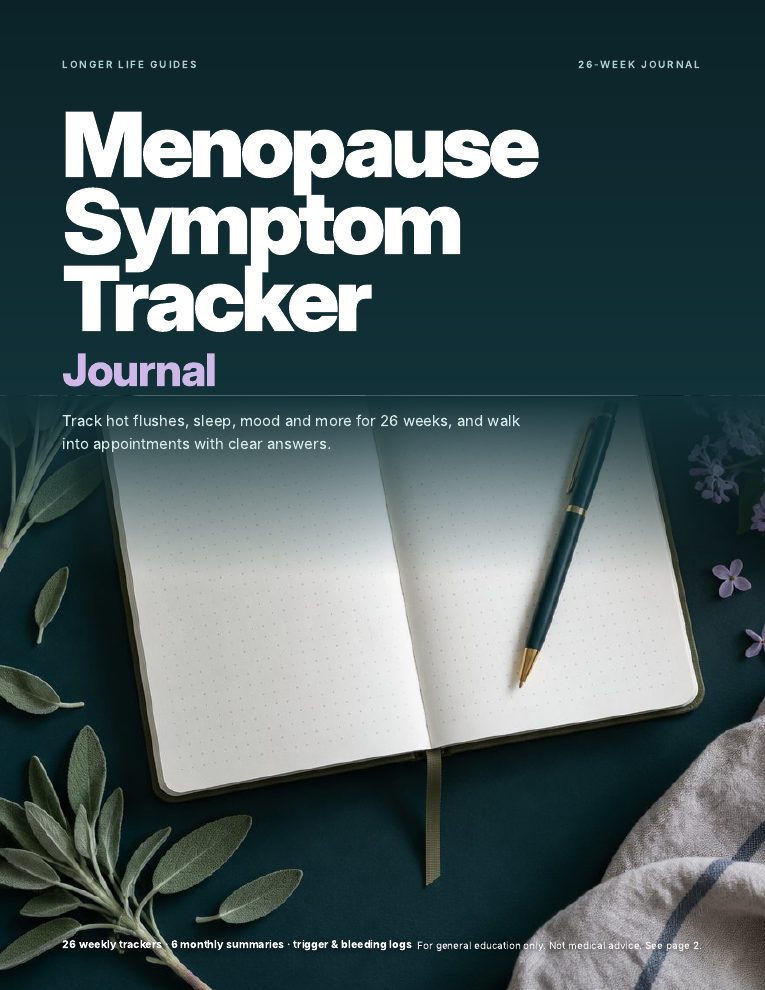
The 26-week Menopause Symptom Tracker includes brain fog, sleep, mood, aches and bleeding, with monthly summaries designed to bring to appointments.