Midlife weight can shift toward the waist during perimenopause and menopause. Learn what is changing, what matters for health, and evidence-based habits that support muscle and metabolic health.
Why weight can feel different in midlife
Many women notice that weight becomes easier to gain, harder to lose or more likely to settle around the waist during the menopause transition. This is not simply a matter of “willpower.” Ageing, changes in muscle mass, sleep, activity, appetite, stress and hormonal shifts can all contribute.
The menopause transition is especially associated with changes in body-fat distribution. Even when total body weight changes only modestly, more fat may accumulate around the abdomen. Visceral fat — fat stored around internal organs — is metabolically different from fat stored under the skin and is associated with insulin resistance, blood pressure, lipids and cardiovascular risk.
Is estrogen the whole explanation?
No. Falling and fluctuating estrogen is part of the picture, but ageing itself also reduces energy needs and can be accompanied by gradual muscle loss. Poor sleep can increase hunger and make movement harder. Hot flushes and joint pain can disrupt exercise. Stress, caregiving and work can change meal patterns. The useful approach is therefore broader than trying to “balance hormones” with a single food or supplement.
What helps most?
1. Protect muscle
Resistance training helps maintain muscle and bone and supports function as you age. You do not need an advanced gym programme to begin. Chair squats, wall or counter push-ups, rows with bands, step-ups, carries and balance work can all be progressed gradually.
2. Build meals around protein and plants
A balanced plate with a protein source, vegetables or fruit, high-fibre carbohydrates and unsaturated fats can support fullness and cardiometabolic health. In menopause, calcium and vitamin D also deserve attention because bone loss accelerates after the final menstrual period.
3. Improve sleep rather than treating it as optional
Persistent sleep disruption can affect appetite, mood and energy. If night sweats or insomnia are driving poor sleep, addressing the underlying menopause symptoms may be more effective than simply trying to “be more disciplined” with food.
4. Use waist and health markers carefully
If you choose to monitor waist circumference or weight, treat them as health data rather than moral scores. Blood pressure, glucose, lipids, strength, sleep and energy can provide a more complete view of progress.
What does not have strong evidence?
Be cautious with products marketed as menopause belly “burners,” detoxes, hormone-balancing teas and supplements that promise to target abdominal fat. Fat cannot be selectively burned from one body area with a specific food or supplement. Any product making dramatic weight-loss claims deserves extra scrutiny.
When to speak with a clinician
Seek medical advice if weight changes are rapid or unexplained, or if they occur with symptoms such as marked fatigue, swelling, persistent abdominal symptoms or other concerns. If you have obesity, diabetes, high blood pressure or high cholesterol, your clinician can help you discuss evidence-based options that may include nutrition support, structured activity, medications or other treatments depending on your health profile.
Turn the information into a practical plan
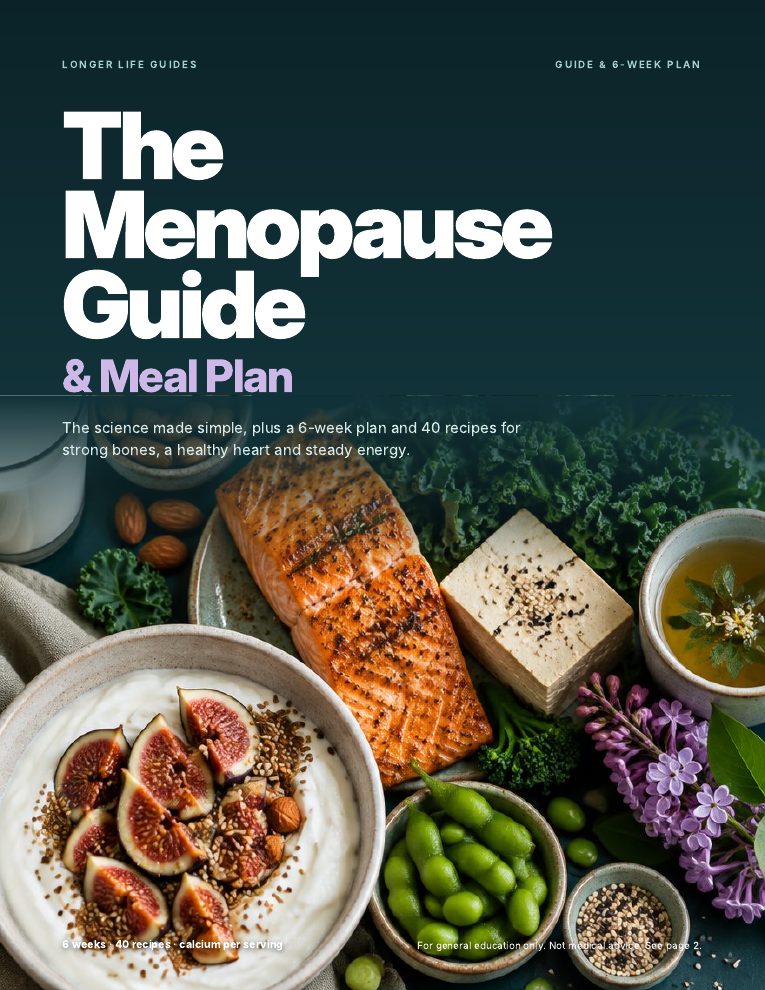
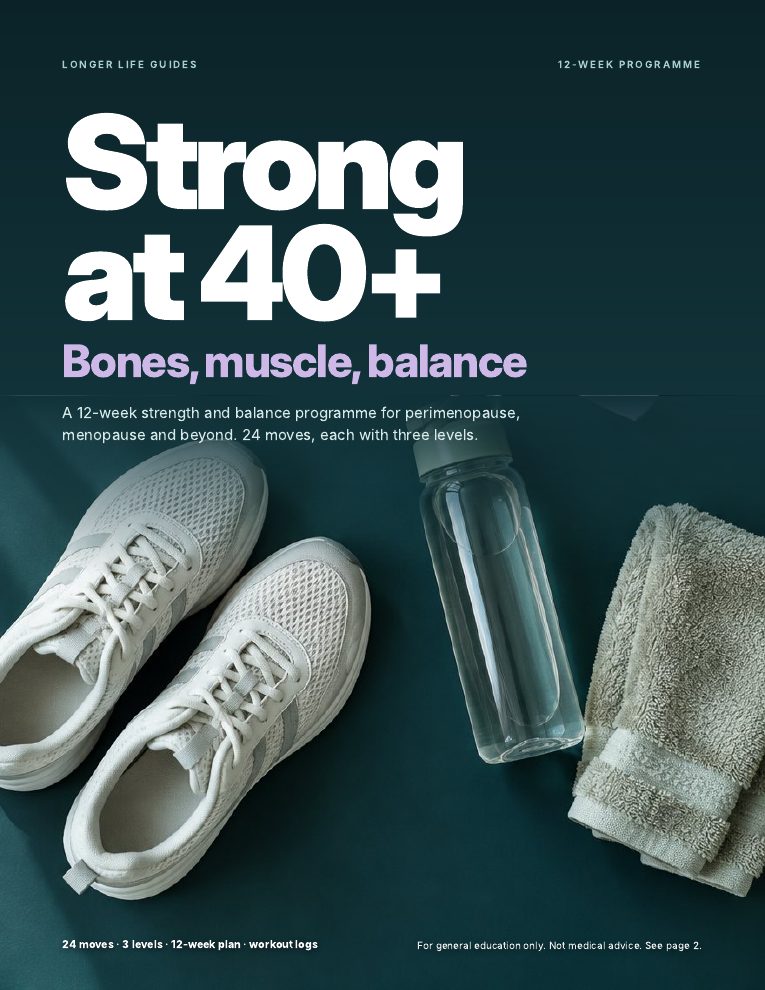
The Menopause Guide & Meal Plan focuses on strong bones, heart health and steady energy, while Strong at 40+ provides a progressive 12-week home strength and balance programme.