Hormone therapy is the most effective treatment for hot flushes, but it is not the only one. Compare HRT with non-hormonal medicines, CBT and lifestyle options, including who each suits.
The short answer
Menopausal hormone therapy (HRT/MHT) is the most effective treatment for hot flushes and night sweats, reducing them by about 75% or more. For healthy women under 60 or within 10 years of menopause, the benefits usually outweigh the risks. If you can’t or don’t want to take hormones, non-hormonal prescription medicines, cognitive behavioural therapy and some lifestyle changes also help.
Options side by side
| Option | How well it works | Good to know |
|---|---|---|
| Estrogen (HRT/MHT) | Most effective | Needs a progestogen if you have a uterus; transdermal forms have lower clot risk |
| Fezolinetant (Veozah) | Good | Non-hormonal tablet that targets the brain’s temperature centre; approved in Canada; liver tests needed |
| SSRIs/SNRIs (e.g. low-dose paroxetine, venlafaxine) | Moderate | Also help mood; avoid paroxetine with tamoxifen |
| Gabapentin | Moderate | Helps night sweats and sleep; can cause drowsiness |
| Oxybutynin | Moderate | Can cause dry mouth; caution in older women |
| CBT and clinical hypnosis | Moderate | Reduce how bothersome flushes are; no drug side effects |
| Lifestyle (layers, fans, cooler room, less alcohol) | Mild | Helpful for everyone, alone or alongside treatment |
| Herbal supplements (black cohosh, soy) | Little to no good evidence | Quality varies; can interact with medicines |
The short version
Who should avoid HRT?
HRT is usually not recommended if you have had breast or endometrial cancer, a blood clot, stroke or heart attack, active liver disease, or unexplained vaginal bleeding. Non-hormonal options are good choices in these cases. Risks rise if HRT is started after 60 or more than 10 years after menopause.
How to decide
Bring a list of your symptoms, how much they affect you, your personal and family history and your preferences. The best option is the one that matches your symptoms, risks and goals; many women combine approaches.
Frequently asked questions
What is the most effective treatment for hot flushes?
Hormone therapy (HRT/MHT) is the most effective, reducing hot flushes by about 75% or more for most women.
What can I take for hot flushes instead of HRT?
Non-hormonal options include fezolinetant, some antidepressants (SSRIs/SNRIs), gabapentin, oxybutynin and CBT.
Is HRT safe?
For healthy women under 60 or within 10 years of menopause, the benefits usually outweigh the risks. Your doctor will check your personal risks.
Does black cohosh work for hot flushes?
Good-quality studies have not shown a clear benefit, and supplement quality varies.
Understand your options
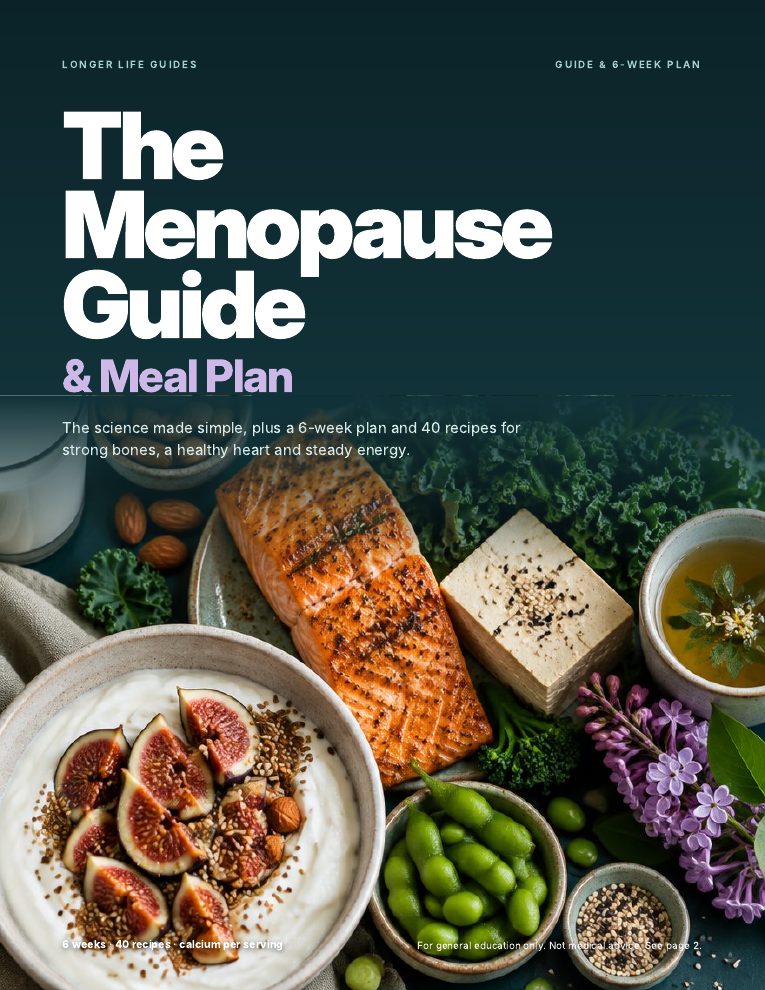
The Menopause Guide & Meal Plan explains treatment options with diagrams, plus food and lifestyle steps that help.