Insulin resistance is common in PMOS/PCOS, but fasting insulin is not the main routine test. Learn which glucose tests current guidelines recommend and why.
First: insulin resistance is part of the biology, but not the whole diagnosis
Insulin resistance is an important feature of PMOS/PCOS for many people. When cells respond less effectively to insulin, the body may produce more insulin to keep blood glucose in range. Higher insulin levels can interact with ovarian and androgen pathways, but PMOS/PCOS is not simply “insulin resistance plus irregular periods.” It is a complex endocrine and metabolic syndrome.
Why routine fasting insulin tests can be misleading
International PMOS/PCOS guidance notes that insulin resistance is a pathophysiological factor, but clinically available insulin assays have limited value in routine care and are not recommended as a standard way to diagnose or monitor the condition. That is important because social media often presents a single fasting insulin number as the definitive answer.
Which test is recommended for glucose status?
The updated international guideline recommends assessing glycaemic status at diagnosis in all adults and adolescents with PMOS/PCOS, regardless of body size. The 75-g oral glucose tolerance test (OGTT) is considered the most accurate test for detecting impaired glucose regulation in this population.
If an OGTT cannot be performed, fasting plasma glucose and/or HbA1c can be considered, while recognizing that they are less accurate for PMOS/PCOS. The guideline advises reassessing glycaemic status every one to three years depending on individual diabetes risk factors.
Why this matters even if your weight is “normal”
The increased risk of impaired glucose tolerance and type 2 diabetes is not limited to people in larger bodies. That is why guidelines recommend glucose assessment regardless of BMI. Weight can be one health marker, but it should not be used to decide whether metabolic screening matters.
What can support metabolic health?
Lifestyle management remains part of PMOS/PCOS care, with an emphasis on sustainable eating patterns, physical activity, sleep and emotional wellbeing. There is no single “PCOS diet” proven to be best for everyone. The most useful pattern is one you can maintain, that meets your nutritional needs and supports the health goals you and your care team have set.
Medicines such as metformin and other treatments may be appropriate for some people depending on symptoms, metabolic risk, fertility goals and other factors. These decisions belong in a clinical conversation rather than a generic online protocol.
Questions to take to an appointment
- Have I had appropriate glucose testing since diagnosis?
- Would an OGTT be useful for me?
- How often should my glucose status be rechecked?
- Should my blood pressure and cholesterol be monitored?
- Could sleep apnoea be contributing to fatigue?
- What treatment goals are most important for my symptoms and long-term health?
Organize cycles, symptoms and lab results in one place
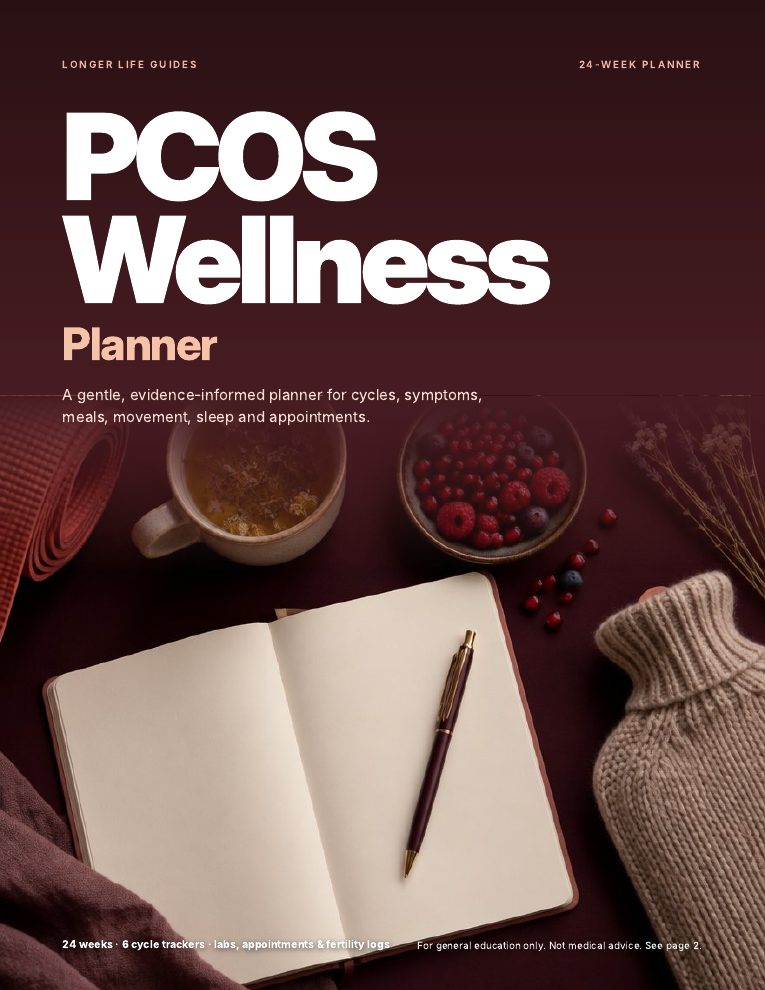
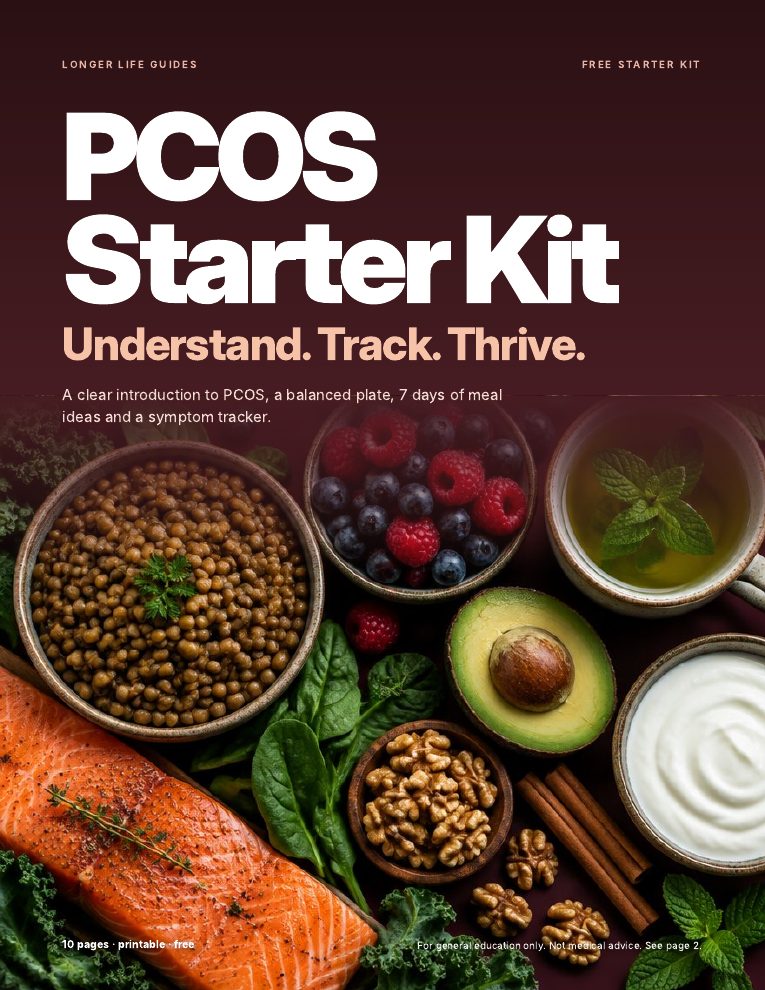
The PCOS Wellness Planner includes cycle and symptom tracking, appointments, test results, medicines, meal planning and a 24-week structure. The free Starter Kit is a simpler place to begin.