Breakouts along the jaw and hair coming out in the shower are common and often linked to hormones, stress or nutrition. Learn the causes and the evidence-based treatments.
The short answer
Adult acne along the jaw and chin that flares before periods is often linked to how skin responds to androgen hormones. Most hair shedding in women is temporary telogen effluvium after stress, illness, childbirth, rapid weight loss or low iron, or gradual female-pattern hair loss. Both are treatable, and acne together with irregular periods and excess hair growth can point to PMOS (PCOS).
Hormonal acne
Typical signs are deep, tender spots on the chin, jaw and neck that flare in the week before a period. Stopping hormonal contraception, PMOS, stress and some medicines can trigger it.
- Start with skin care: a gentle cleanser, non-comedogenic moisturiser and sunscreen. Over-the-counter benzoyl peroxide or adapalene gel used consistently for 8 to 12 weeks.
- Prescription options: topical retinoids, azelaic acid or clindamycin; combined birth control pills; spironolactone, which blocks androgens and is widely used for adult female acne; isotretinoin for severe or scarring acne.
- Avoid picking and harsh scrubs, which worsen scarring.
Hair shedding vs thinning
Telogen effluvium is sudden, diffuse shedding that starts 2 to 3 months after a trigger such as illness, surgery, childbirth, severe stress, crash dieting or stopping the pill. It usually settles within 6 months once the trigger passes. Female-pattern hair loss is gradual thinning at the crown and a widening part, often running in families and becoming more noticeable around menopause. Topical minoxidil is the main evidence-based treatment and must be continued to keep results.
The short version
Tests worth discussing
- Ferritin (iron stores) and full blood count
- Thyroid (TSH)
- Hormone tests such as testosterone if you also have irregular periods or excess facial or body hair
- Vitamin D or B12 only if you are at risk
Nutrition, not miracle supplements
Hair needs enough protein, iron and overall energy. Biotin supplements rarely help people who are not deficient and can interfere with lab tests, including thyroid and heart tests. Treat proven deficiencies rather than taking hair gummies.
When to see a doctor or dermatologist
Book an appointment for painful or scarring acne, acne affecting your mood, bald patches, scalp redness or scaling, shedding lasting more than 6 months, or acne or hair loss with irregular periods, excess hair growth or a deepening voice.
Frequently asked questions
What does hormonal acne look like?
Deep, tender spots on the chin, jaw and neck that often flare before a period.
What is the best treatment for hormonal acne?
Topical retinoids or benzoyl peroxide first; combined pills or spironolactone are effective prescription options for many women.
Why is my hair falling out in clumps?
Sudden shedding is often telogen effluvium after stress, illness, childbirth or rapid weight loss. Low iron and thyroid problems are other common causes.
Does biotin help hair loss?
Rarely, unless you are deficient, and it can affect some blood test results.
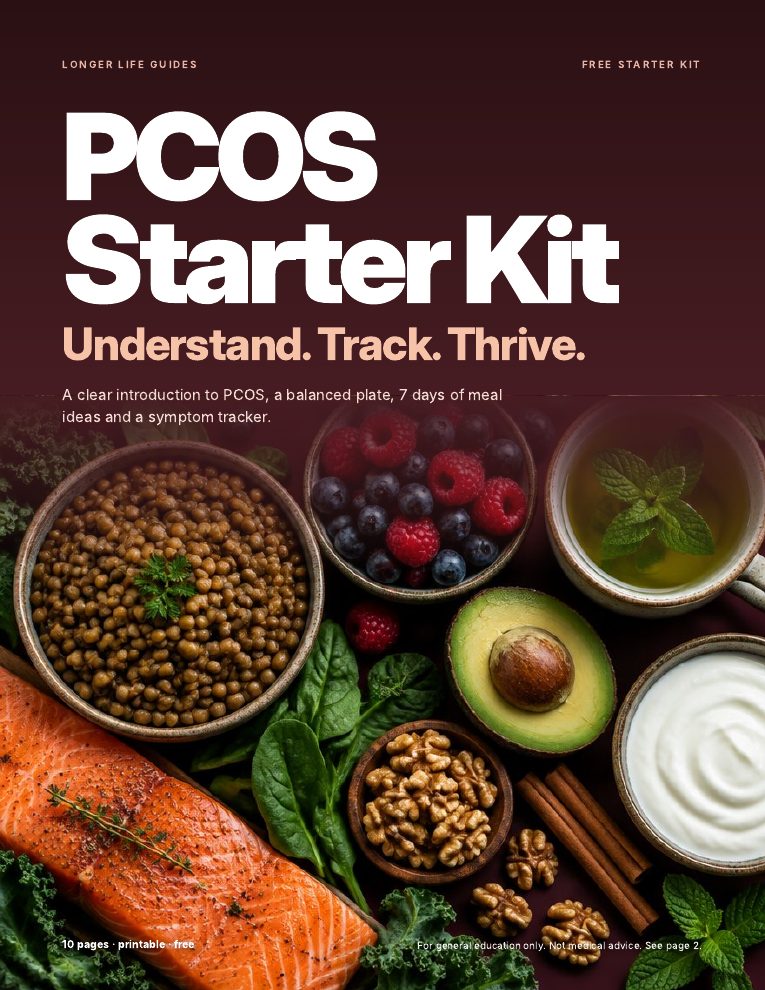
Check the PMOS link
Adult acne, excess hair growth and irregular periods together can be signs of PMOS (PCOS). The free PCOS Starter Kit explains the signs and what to ask your doctor.